
UP TO 7O% OFF SELECT STYLES
(with an extra 25% off sale)

The Art of Dressing Your Little One: A Guide to Stylish and Sustainable Kids’ Wear
Dressing a child is more than just a daily task; it’s an opportunity to blend practicality with personality. As parents, we often find ourselves navigating a sea of choices, from whimsical prints to durable fabrics. The goal is to find pieces that are not only adorable but also comfortable, safe, and built to last. This guide explores how to make smart choices when building your child’s wardrobe, focusing on style, sustainability, and longevity.
First, let’s talk about fabrics. A child’s skin is delicate and sensitive, making fabric choice paramount. Natural fibers like organic cotton, bamboo, and linen are excellent choices. Organic cotton, free from harsh chemicals, is incredibly soft and breathable, perfect for everyday wear. Bamboo fabric is known for its silky feel and moisture-wicking properties, keeping little ones cool and dry. Linen is another fantastic option, especially for warmer climates, as it’s lightweight and becomes softer with each wash. Avoiding synthetic materials like polyester, especially for items worn close to the skin, can help prevent irritation and ensure better airflow.
Next, consider the concept of a capsule wardrobe for your child. Just as with adult fashion, a capsule wardrobe focuses on a few high-quality, versatile pieces that can be mixed and matched. Instead of buying a dozen trendy, low-quality items, invest in classic basics: solid-colored t-shirts, comfortable leggings, a durable pair of jeans, and a few versatile jackets. This approach not only simplifies daily dressing but also reduces waste and saves money in the long run. Look for neutral colors like gray, navy, and beige, which can easily be paired with brighter, more expressive accent pieces.
When it comes to style, don’t be afraid to let your child’s personality shine through. While a capsule wardrobe is practical, there’s always room for fun. Let your child pick out a few favorite items, whether it’s a T-shirt with their favorite cartoon character or a dress in a vibrant color. Encouraging them to participate in the dressing process helps them develop their sense of style and independence. Accessories like hats, scarves, and fun socks are also great ways to add a personal touch without a big investment.
Finally, think about sustainability. The fashion industry, including children’s wear, has a significant environmental impact. By choosing durable clothing and opting for secondhand or hand-me-down items, you can reduce your carbon footprint. Many companies now focus on ethical production and sustainable materials, making it easier to make conscious choices. Look for certifications that indicate environmentally friendly practices. By prioritizing quality over quantity and embracing a mindful approach to shopping, we can create a wardrobe that is not only beautiful but also kind to the planet.


Sale!
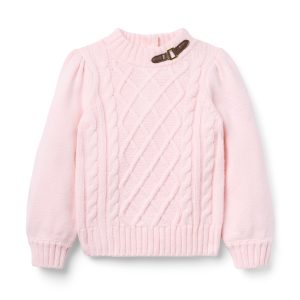

Original price was: $69.00.$34.50Current price is: $34.50.
Sale!
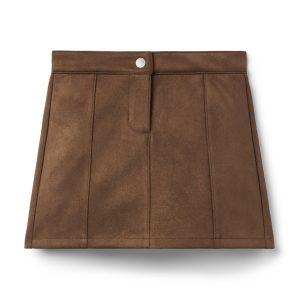

Original price was: $52.00.$26.00Current price is: $26.00.
Sale!

Original price was: $19.50.$9.75Current price is: $9.75.
Sale!

Original price was: $89.00.$44.50Current price is: $44.50.
Sale!

Original price was: $79.00.$39.50Current price is: $39.50.
Sale!

Original price was: $48.00.$24.00Current price is: $24.00.
Sale!
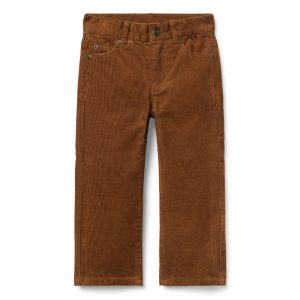

Original price was: $56.00.$28.00Current price is: $28.00.
Sale!
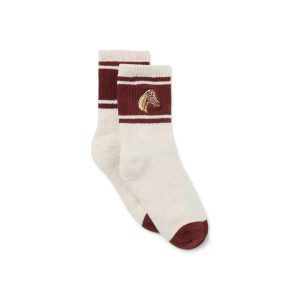

Original price was: $10.50.$5.25Current price is: $5.25.




The Essential Guide to Nurturing Growth: Choosing Children’s Clothing and Footwear
Navigating the world of children’s clothing and footwear can feel like a perpetual cycle of buying, outgrowing, and starting over. More than just aesthetics, the choices we make in dressing our children are fundamentally linked to their comfort, development, and overall well-being. This guide delves into the essential considerations for selecting garments and shoes that support their active, ever-changing lives.
Prioritizing Comfort and Mobility
The most crucial factor in any child’s attire is comfort. Children, especially toddlers and young ones, are in constant motion—exploring, climbing, running, and tumbling. Their clothing should be a second skin that facilitates this natural desire to move, not restrict it.
Fabric Choice Matters: Opt for breathable, natural fibers like cotton, bamboo, or soft blends. These materials are gentle on sensitive skin, minimize irritation, and help regulate body temperature, drawing moisture away during playtime and providing warmth when needed. Synthetic fabrics can be appropriate for outerwear or specialized sportswear, but daily wear should prioritize softness and breathability. Always check labels for care instructions, favoring items that withstand frequent washing without losing their shape or softness.
Fit and Functionality: Pay close attention to the fit. Clothes should be roomy enough for a full range of motion but not so baggy that they become a tripping hazard or cumbersome. Look for features that promote independence, especially for preschool-aged children. Elastic waistbands, easy-to-manage closures (like large buttons or simple zips), and pull-on styles empower them to dress and undress themselves, fostering confidence and essential motor skills. The absence of irritating tags or rough seams can make a significant difference in a child’s willingness to wear a piece of clothing.
The Critical Role of Footwear in Development
Selecting the right shoes is arguably even more vital than choosing clothes. A child’s feet are still developing, and poorly fitting or restrictive shoes can have long-term consequences for their gait, posture, and bone structure.
Support, Flexibility, and Space: A proper children’s shoe should prioritize support without stiffness. The sole needs to be flexible enough to allow the foot to bend naturally at the ball, mimicking the feeling of walking barefoot while offering protection. The toe box is crucial; it must be wide and deep enough for the toes to wiggle and spread naturally. Any shoe that compresses a child’s toes can hinder proper foot development.
Measuring is Essential: Children’s feet can grow rapidly and sometimes unevenly. Their shoe size should be measured frequently—every few months for toddlers. Do not rely on their saying “it fits,” as children often don’t register discomfort until a shoe is too tight. Always check for about a finger’s width of space between the longest toe and the tip of the shoe.
Material and Grip: Look for breathable materials like soft leather or canvas to prevent excessive sweating and potential fungal issues. The outer sole should have a good, non-slip grip to prevent accidents on various surfaces, a crucial safety feature for active children. For younger walkers, a thinner, flatter sole is often preferred as it allows them to better feel the ground and stabilize their balance.
Durability and Sustainability: The Long-Term View
Given the rapid growth and strenuous activity typical of childhood, durability is an economic and environmental consideration. Investing in well-made items that can withstand wear and tear is often more cost-effective in the long run and promotes a more sustainable approach to consumption.
High-Quality Construction: Look for reinforced knees in trousers, strong stitching, and durable fabrics. Clothes that are made to last can often be passed down to younger siblings or friends, maximizing their lifecycle. When shopping, consider versatility. Items that can be mixed and matched easily, or layered for different weather conditions, extend the life and utility of a child’s wardrobe.
Mindful Consumption: Teaching children about mindful consumption starts with our own habits. Choosing fewer, higher-quality items over a multitude of disposable pieces not only saves time and money but also introduces the concept of value and quality. Furthermore, consider the environmental impact of the materials. Opting for organic or sustainably sourced fabrics where possible is a gentle step towards protecting the planet they will inherit.
Ultimately, dressing a child is a blend of practicality and love. By focusing on comfort, promoting natural movement, and ensuring proper foot support, we equip them with the freedom and confidence they need to explore, learn, and grow into happy, healthy individuals.